Jane Zhao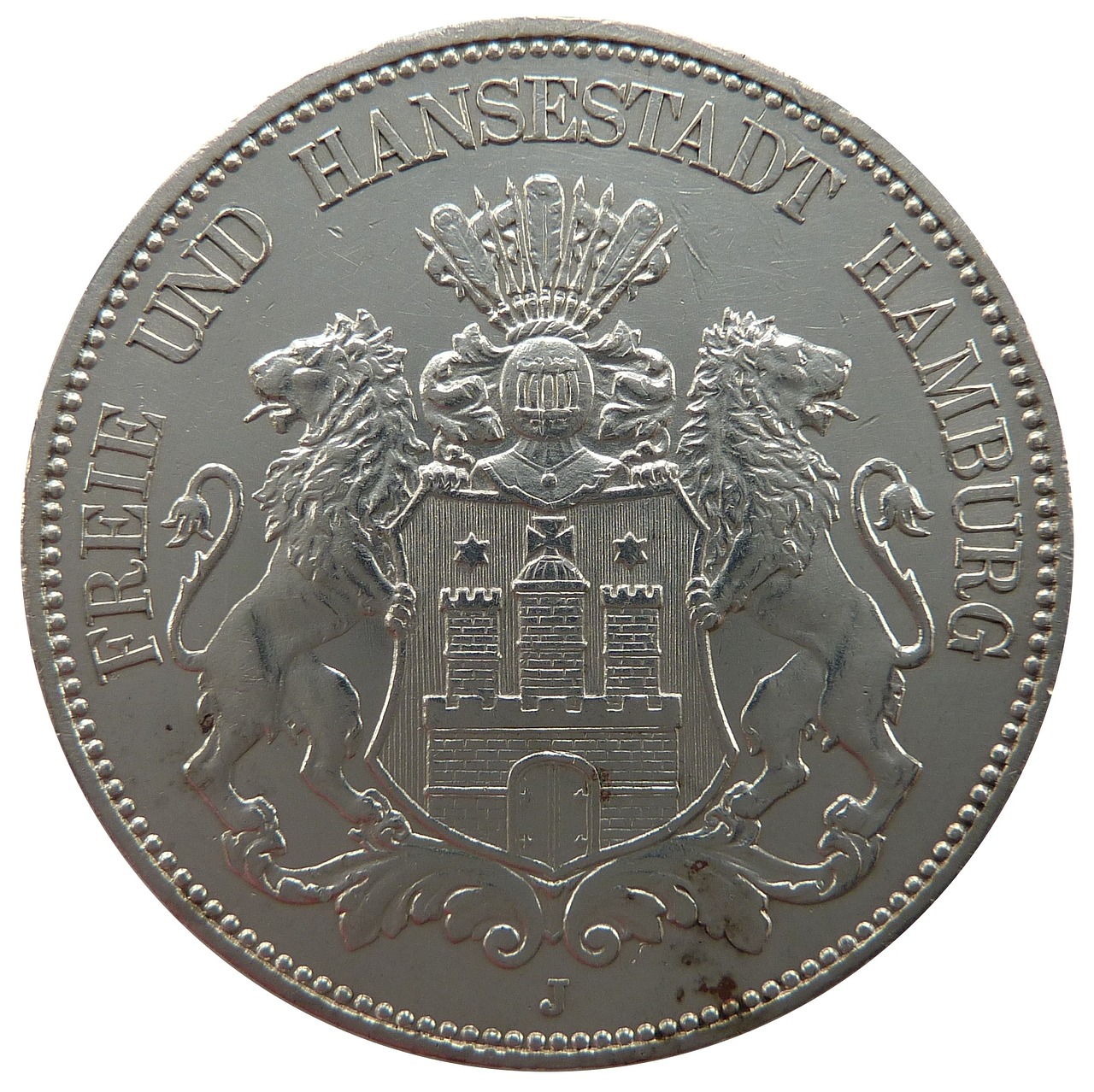
Jane Zhao's analysis on the value of specific year coins, published Thursday, January 22, 2026 at 05:45 AM, provides a comprehensive comparison of rare coin prices and trends in the numismatic market.
Identifying which year coins are worth money involves understanding various historical and economic factors that influence coin value. This assessment is guided by scarcity, demand, and condition among collectors and investors. Collectors often seek coins from specific years due to their rarity or unique attributes, making it crucial to evaluate coins within a historical context.
Coins from certain years are often worth more than their face value because of limited mintage or significant historical events that lend them rarity. For example, coins minted during specific historical periods may have a higher numismatic appeal. Coins produced in error or with unique features due to minting anomalies also hold value beyond their standard circulation.
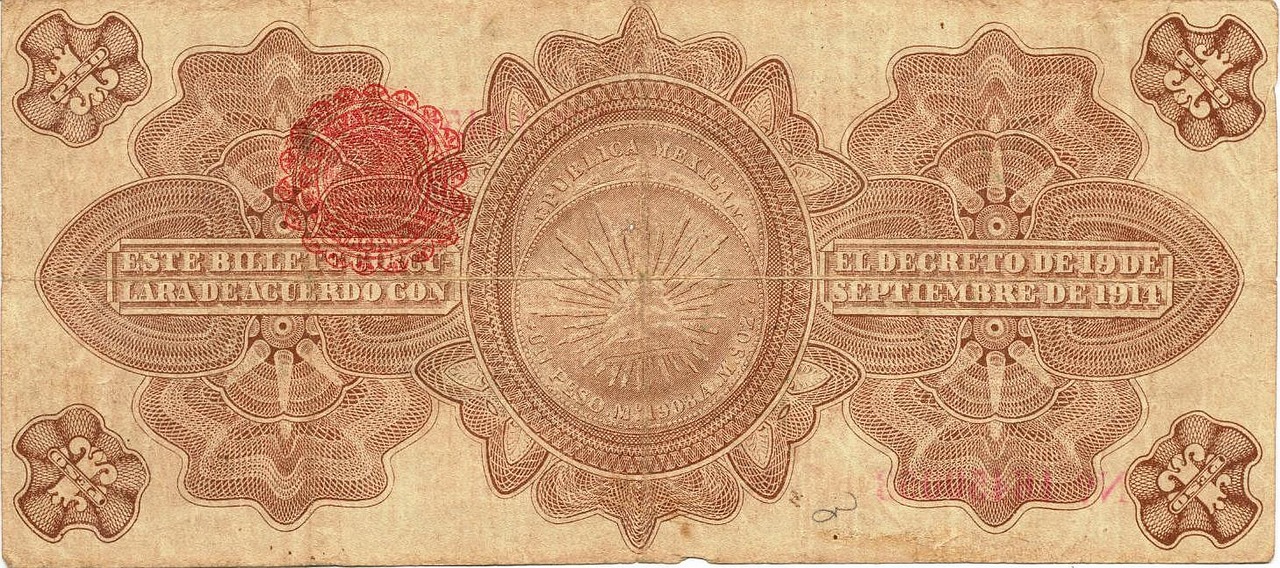
This image illustrates the concepts related to coin year valuation, highlighting examples of sought-after years and conditions.
Factors That Influence Coin Value
The value of coins is influenced by several factors including rarity, demand, and condition. Rarity refers to the limited number of a particular coin available, while demand reflects how much collectors desire that coin. The condition of the coin, graded on a scale from poor to uncirculated, can significantly affect its worth. Well-preserved or uncirculated coins are typically more valuable. Understanding various historical and economic factors that influence coin value
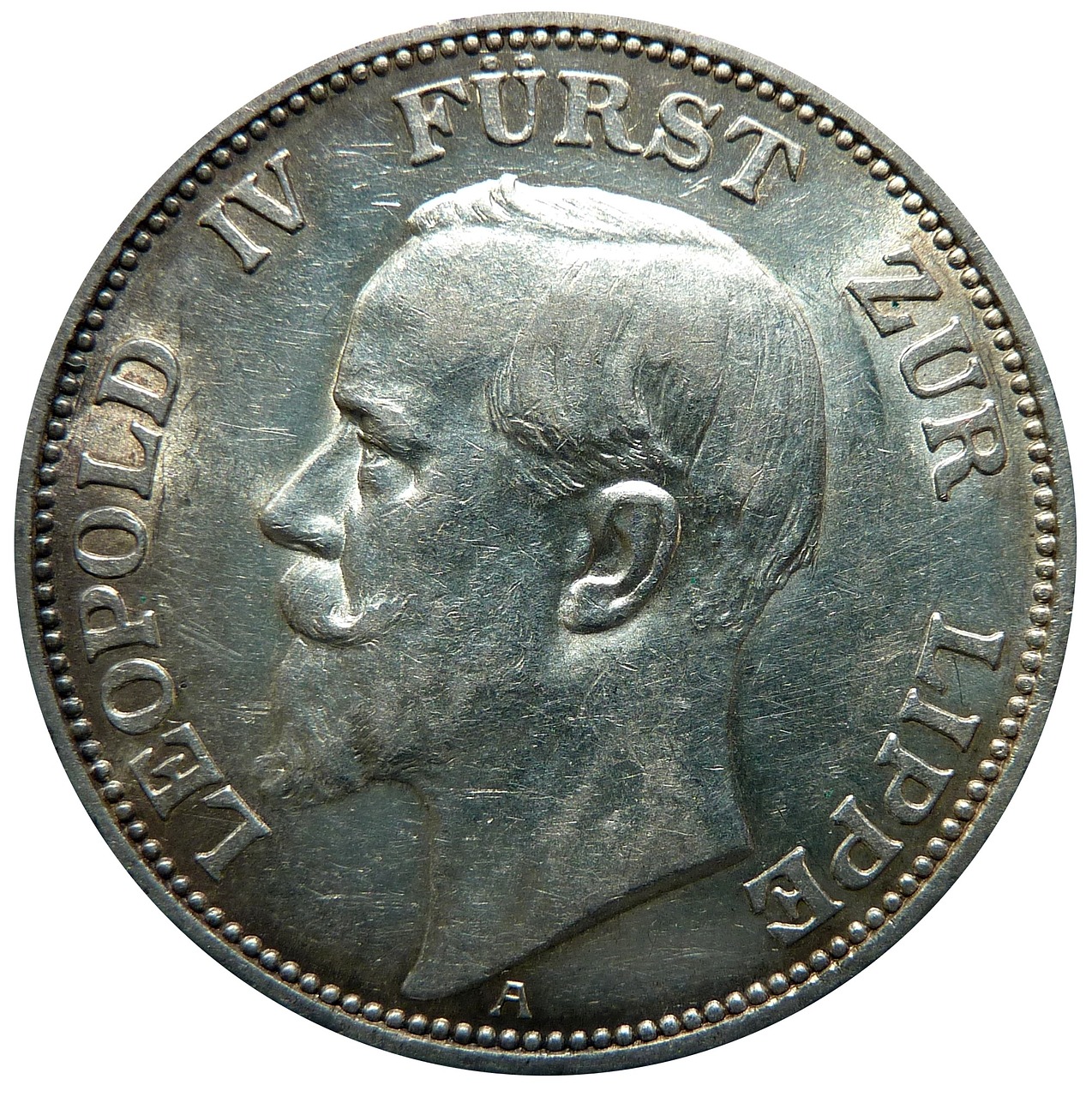
Additionally, the market trends play an essential role in determining coin value. For instance, certain years might see spikes in value due to popularity among collectors or new interest in particular types of coins, such as those linked to historical events or cultural significance.
Common Years for Valuable Coins
Several specific years stand out for collectors as particularly valuable. For instance, the 1909-S V.D.B. Lincoln penny is famed for its low mintage and high demand, commanding prices that can reach several thousand dollars depending on its condition. Similarly, the 1933 Gold Double Eagle, though illegal to own, is considered one of the most valuable coins ever, fetching millions at auctions.
The 1955 Double Die Obverse Lincoln penny is another coin that attracts attention due to its striking error, leading it to reach extraordinary values in high-grade conditions.
This image provides an overview of notable coins and years recognized by collectors for their value. Comprehensive comparison of rare coin prices and trends

The tradeoff when considering valuable years for coins lies in the potential for profitability versus the effort needed for research and authentication. Investing in coins from particular years is not ideal for beginners without guidance or significant knowledge, as fakes can be prevalent. Additionally, auction fees and market volatility can impact returns.
In practice, it’s advisable to consult with numismatics experts or reputable guides when delving into coin investment. Understand that the market can be unpredictable, and the coin-collecting hobby requires commitment and ongoing education.
Evaluating Coin Conditions
The condition of a coin is assessed using a grading scale ranging from 1 (bad) to 70 (perfect). The higher the grade, the more valuable the coin. Uncirculated coins, typically graded in the 60s or above, demand the highest premiums, while low-grade coins are viewed as less desirable.
When evaluating coins, consider factors such as wear, blemishes, and surface quality. Coins from the same year can vary significantly in value based on these nuances.
Rarity and Demand Interaction
Comprehensive comparison of rare coin prices and trends
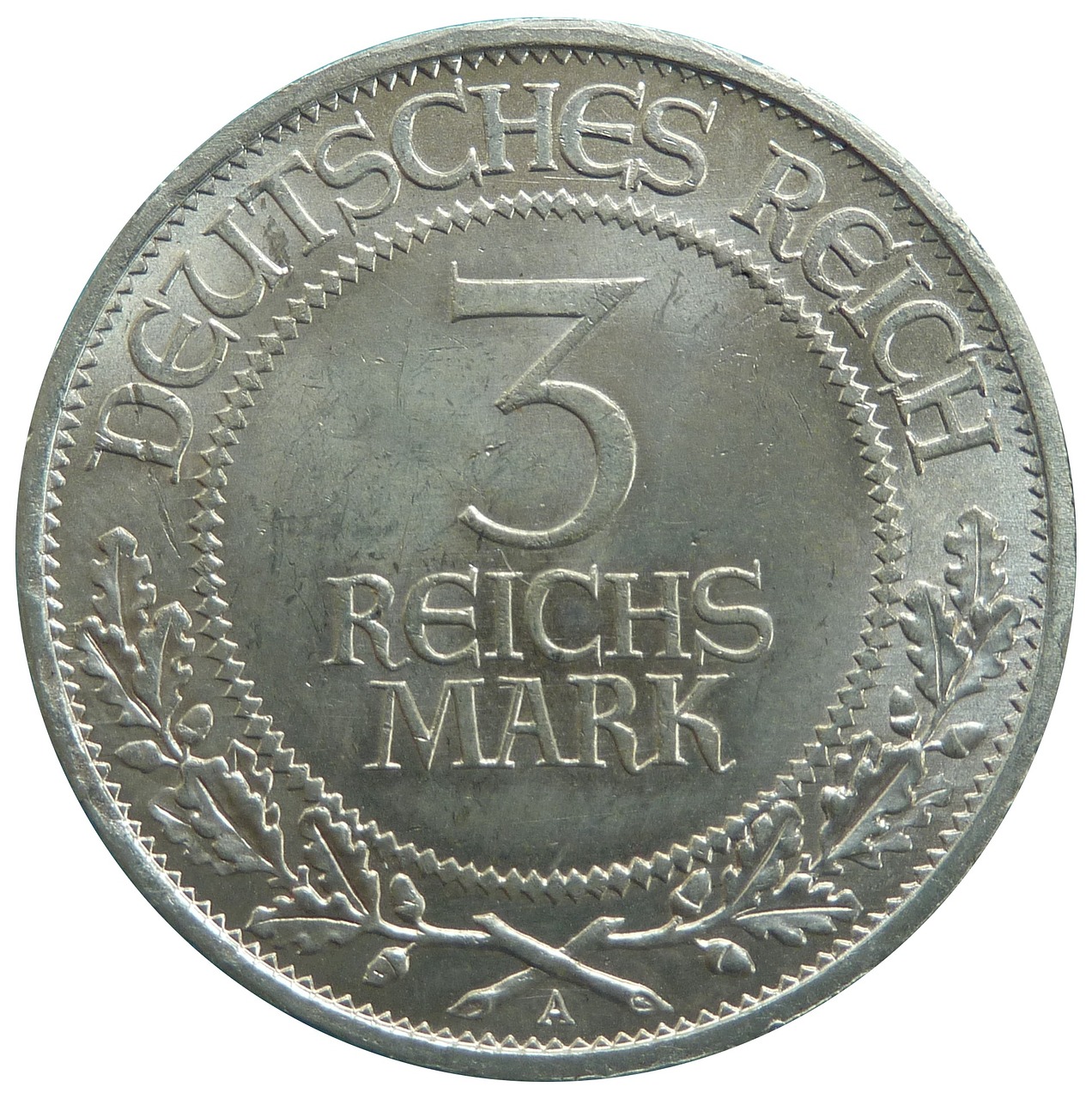
Rarity and demand work in tandem to influence a coin’s value. A rare coin with low demand may still sell for a modest price, while a more common coin may fetch high prices due to its substantial demand. This dynamic can fluctuate based on market trends, economic factors, and collector interest.
To better understand this interaction, potential investors should monitor collector markets and be aware of which specific years and types are currently trending among enthusiasts.
—
1. Research historical significance.
2. Identify rarity and demand factors.
3. Evaluate the coin’s physical condition.
4. Consult industry resources and experts.
5. Monitor auction results and sales trends.
6. Guard against counterfeit coins.
7. Understand market volatility.
| Year/Name | Estimated Value Range | Notable Characteristics |
|———————–|————————–|————————-|
| 1909-S V.D.B. Penny | $1,000 – $2,000+ | Low mintage, high demand|
| 1955 Double Die Penny | $500 – $1,500+ | Error coin |
| 1933 Gold Double Eagle | Millions | Historical significance |
As a coin collector or investor, understanding which year coins are worth money can significantly impact decision-making regarding acquisitions. It’s crucial to balance factors such as rarity, demand, and condition while remaining cautious of market fluctuations and counterfeit risks. Staying informed through research and expert consultation can enhance success in selecting valuable coin investments. Consider joining a numismatic organization to connect with knowledgeable peers and access resources that provide ongoing education in the field.
How do I determine which coin years are considered valuable?
Valuability often depends on factors like mintage numbers, historical significance, and demand among collectors. For example, coins from limited mintage years or those with unique features, such as errors or variations, tend to have higher value. Many collectors use resources like auction results or price guides to assess value accurately.
In what situations might I decide to sell coins from specific years?
Selling coins may be influenced by market trends or personal financial needs. For instance, during a rise in demand for certain rare coins, it might be advantageous to sell, while holding onto them during downturns could lead to increased future value. Timing is crucial and depends on market conditions and buyer interest.
How do coins from different years compare in terms of investment potential?
Coins from certain years may outperform others due to rarity or popularity among collectors; for example, a 1909-S V.D.B. Lincoln penny is often worth significantly more than a standard 1980 quarter. Consideration of historical sales data, current market trends, and collector interest is essential for making informed comparisons. However, this introduces tradeoffs that must be evaluated based on cost, complexity, or network conditions.